Discover the Timeless Appeal of Men's Fedora Hats
Men's fedora hats have historically been recognized as a hallmark of class and distinction. Their timeless design provides adaptability, rendering them appropriate for a wide range of events. As style preferences continue to shift, the fedora consistently draws interest in both timeless and current fashion circles. Understanding its enduring appeal can shed light on its place in contemporary wardrobes. What qualities make the fedora a perennially stylish choice? The result could astound those who value enduring elegance.
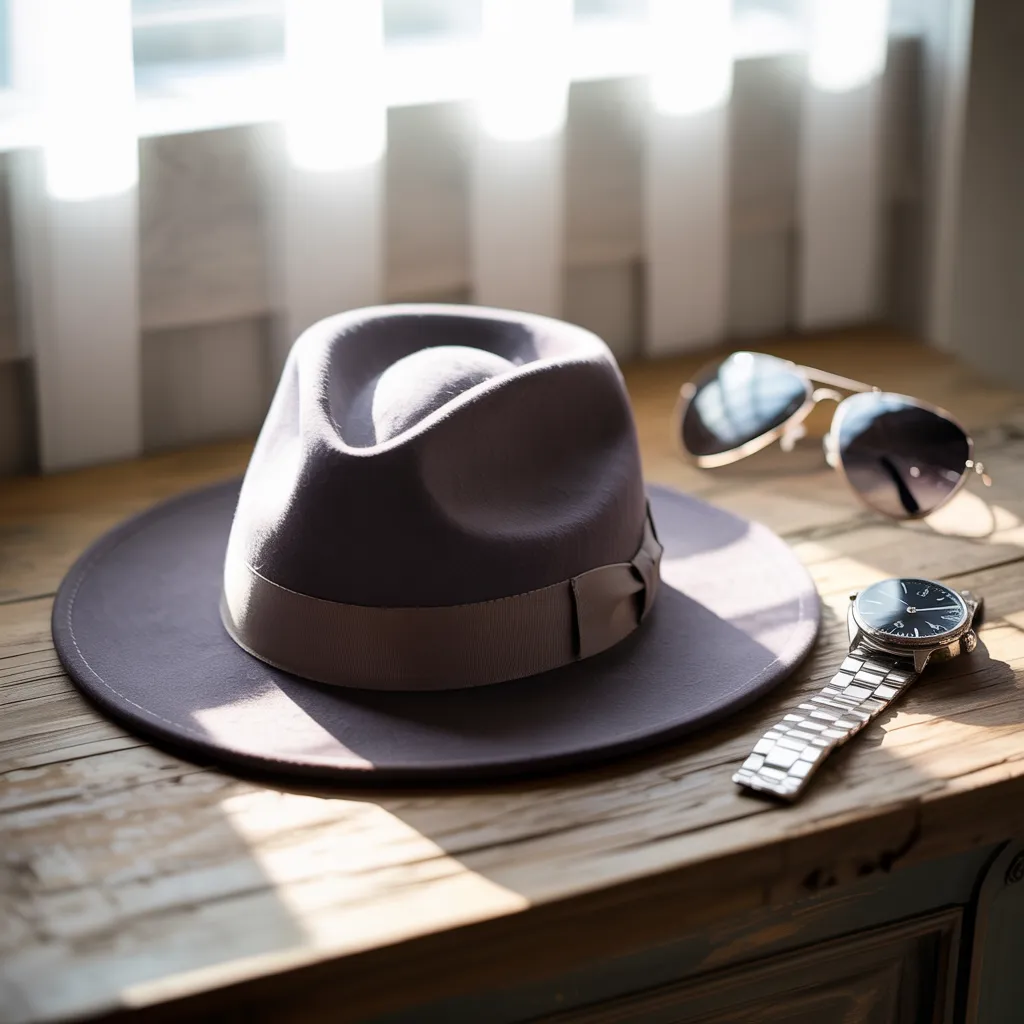
Picking the Best Fedora for Your Personal Style
When picking out the perfect fedora, how does a person figure out which style most effectively enhances their wardrobe? The key lies in understanding the interplay between personal style and total wardrobe coordination. A fedora's shape, material, and color should work alongside the clothes already in your collection. For instance, a traditional wool fedora might suit a tailored suit, while a straw version could complement a relaxed summer outfit.
Consideration of face shape is also vital; wider brims are ideal for toning down angular facial features, whereas a narrower brim might accentuate them. Furthermore, the occasion plays a significant role. Formal events often call for darker, richer colors, while softer tones and prints tend to work better in casual environments. Ultimately, a well-chosen fedora goes beyond being a mere accessory and becomes a defining piece of an ensemble, expressing the distinct taste and identity of its wearer.
Uncover Iconic Fedora Looks: From Vintage to Present-Day
Fedora hats have historically been an emblem of elegance and refinement, featuring an extensive array of designs that suit different preferences and events. The classic fedora, distinguished by its supple brim and pinched crown, exudes a lasting sophistication, often associated with iconic figures from the mid-20th century. Its felt construction adds a degree of formality, establishing it as a go-to accessory for formal gatherings.
On the other hand, current styles have introduced groundbreaking materials and concepts, appealing to a present-day audience. Fedoras crafted from straw, for example, provide a lightweight choice ideal for warm-weather excursions, while striking tones and motifs allow for self-expression. Additionally, features such as wider brims and unique embellishments have emerged, delivering an avant-garde interpretation of the traditional design. No matter if complete guide one leans toward the classic or the contemporary, the fedora hat continues to be a versatile accessory that naturally complements every outfit.
Styling Your Fedora: Tips for Confidence
What is the best way to upgrade your style with a fedora? The key lies in understanding how to harmonize this classic accessory with various outfits. A fedora can enhance both casual and formal looks, making it a versatile choice. To radiate confidence, one should opt for a fedora that flatters their face shape and unique sense of style. Pairing it with tailored clothing, such as a blazer or crisp button-up, can create a polished appearance, while denim and a simple tee can lend a relaxed vibe.
The right accessories also play a role; a pocket square or elegant watch can finish the look. The manner in which the fedora is worn shapes its effect—tilting it slightly can add an air of sophistication. In the end, true confidence stems from wearing the hat boldly, making it a defining piece that showcases personal style. Incorporating the fedora can change not just a look, but also the wearer's sense of personal empowerment.
Looking After Your Fedora Hat: Care and Storage Guidelines
Maintaining a fedora hat is vital to maintain its appearance and durability. Regular cleaning techniques, appropriate storage methods, and knowledge of damaging elements are critical for preserving its quality. By adhering to these care guidelines, hat owners can be confident their fedoras continue looking their best for years to come.
Routine Cleaning Practices
Preserving the pristine look of a fedora hat requires regular cleaning techniques that preserve its fabric and shape. First, a gentle-bristled brush is necessary for eliminating dust and debris from the surface of the hat. Light circular strokes can assist in maintaining the textile's durability. For stains, a moist cloth with gentle soap should be applied, taking care not to oversoak the fabric. It is recommended to try any cleaning product on a discreet, small spot first. Additionally, occasional expert cleaning can assist in preserving the hat's durability and life expectancy. Consistently examining for loose threads or damaged areas will allow for timely repairs, making certain the fedora continues as a elegant addition for years to come.
Correct Storage Methods
Proper storage practices play a significant role in maintaining the form and quality of a men's fedora. In order to copyright its condition, storing the hat in a cool, dry area is essential, far from direct sunlight to prevent fading and warping. Using a hat box or a specific shelf helps avoid unwanted stress on the brim and crown. When storing, placing the hat upside down on a flat surface allows it to retain its shape. Refrain from hanging the fedora, since doing so may compromise its structure. Regularly checking for dust accumulation and cleaning it gently with a soft brush will further guarantee longevity. Implementing these habits will keep the fedora in pristine, fashionable condition for many years to come.
Eliminating Damage Factors
A carefully tended fedora hat can endure for many years, but various conditions can lead to deterioration if not addressed. Contact with moisture and harsh temperatures can alter the hat's structure and weaken the material. Prolonged sun exposure can lead to discoloration, while rough handling can produce unsightly creases or indentations. Moreover, accumulation of dust and dirt can deteriorate the material's quality, necessitating frequent cleaning. To minimize these hazards, it is important to keep the fedora in a cool and dry environment, protected from harsh sunlight. Consistently cleaning the hat with a gentle brush and storing it in a dedicated hatbox can considerably increase its durability. By following these preventive measures, owners can preserve the quality and appearance of their beloved fedora.
The Lasting Legacy of Fedora Hats
The iconic fedora hat, an emblem of enduring style and refinement, carries a fascinating heritage rooted in the late 19th century. First appearing in 1889, it rose to prominence following its appearance in the theatrical production "Fédora" by Victorien Sardou, featuring an elegantly dressed female character who wore it prominently. Beginning as an accessory exclusive to women, the fedora transitioned into menswear by the dawn of the 20th century, establishing itself as an emblem of distinguished gentlemen and the fashionable upper class.
Throughout the 1920s and 1930s, the fedora emerged as a fixture in men's wardrobe, frequently associated with Hollywood icons, gangsters, and detectives. Its design, featuring a soft brim and a creased crown, delivered both aesthetic appeal and practical utility. Over the years, the fedora has experienced many reinventions, while its enduring allure has never faded. Such a lasting legacy cements the fedora's status as a timeless accessory, rising above passing fashions and shifting cultural landscapes.
Why Fedora Hats Are Making a Comeback Today
Lately, an evident comeback in the prominence of fedora hats has fascinated style lovers and trendsetters alike. This classic fashion staple, once synonymous with classic mid-century style, is making a strong return to modern fashion. Fashion designers are weaving fedoras into their latest collections, showcasing them in various materials and colors, rendering them suitable for both everyday and formal settings.
Digital media platforms, notably Instagram and TikTok, have been instrumental in bringing back this trend. Influencers are often seen pairing fedoras with modern outfits, highlighting their flexibility and classic allure. Celebrities, too, have embraced the trend, cementing the fedora's reputation as a defining fashion accessory.
Because of this, men are increasingly opting for fedoras to express their individuality, blending tradition with modern aesthetics. This renewed interest underscores the hat's lasting allure, confirming that the fedora stands as a foundational piece in the dynamic and shifting realm of male fashion.
Common Questions and Answers
Are Men's Fedora Hats Suitable for Women as Well?
Indeed, women can sport men's fedora hats. Fashion transcends gender boundaries, permitting individuals to express their unique style. A great number of women value the classic appeal and adaptability of men's fedoras, integrating them into their unique outfits.
Which Materials Work Best for Fedora Hats?
Fedoras are traditionally constructed from wool, felt, straw, or cashmere. Wool and felt provide warmth and structure, while straw provides excellent breathability. Cashmere introduces an element of luxury, appealing to those seeking both style and comfort in their headwear.
How Should I Measure My Head for a Fedora?
To determine head size for a fedora, employ a pliable measuring tape along the forehead, just above the ears, and slightly above the occipital bone at the back of the head. Record the measurement in inches or centimeters for accurate sizing.
Do Fedora Hats Work Well for Formal Occasions?
Fedora hats are certainly appropriate for formal events, adding an elegant accent to any outfit. Their stylish design complements various outfits, making them an ideal option for occasions spanning from weddings to prestigious events.
What Sets a Fedora Apart From a Trilby?
The main distinction between a fedora and a trilby can be found in their brims; fedoras feature a wider, softer brim, while trilbys have a slimmer, tilted brim, lending them a more modern, stylish appearance.